

A paddle board needs no electronics at all, which is most of its appeal. The phone in your pocket still changes three things: whether you know what the wind will do, whether anyone knows where you are, and whether you can describe where you are when it matters.
Most of the apps that do this well were not written for paddlers. They come from sailing, from kayaking and from emergency services, and they work just as well from a board.
None of them replaces judgement. An offshore breeze is still an offshore breeze whatever the forecast says, and a phone in a wet pocket helps nobody.
Nine apps worth having on the phone before the next paddle, and what each one is actually for.
The nine apps at a glance
| App | Category | Platforms | What it is for |
|---|---|---|---|
| Windy | Weather | iOS, Android, web | Reading wind and gusts hour by hour |
| Windfinder | Weather | iOS, Android, web | Spot forecasts for specific launch points |
| NOAA Tides and Currents | Tides | Web and third party apps | Official US tide and current predictions |
| Tides Near Me | Tides | iOS, Android | The next high and low water at a glance |
| Paddle Logger | Tracking | iOS | Session tracking built for paddlers |
| Strava | Tracking | iOS, Android | Distance, pace and a record of where you went |
| Navionics Boating | Navigation | iOS, Android | Charts, depths and hazards on the water |
| what3words | Safety | iOS, Android, web | Giving your exact position to a rescue service |
| US Coast Guard Mobile | Safety | iOS, Android | Float plans, safety checks and emergency contact |
Weather and wind
Windy is the one to install first. It shows wind as a moving map rather than a number, which is the only way to understand what is happening around a headland or across a lake. Switch between forecast models if the picture looks uncertain, and look at gusts rather than average wind, because gusts are what take a board sideways. The web version works without installing anything.
Windfinder answers a narrower question better: what will happen at this specific spot, at this specific hour. It has been the sailing and windsurfing standard for years, and the superforecast tier is worth it if you paddle somewhere with local effects.
The number that matters for a paddle board is lower than most people expect. Above about 12 knots an inflatable becomes hard work, and above 15 an offshore wind is genuinely dangerous because getting back is much harder than getting out.
Tides and currents
NOAA Tides and Currents is the source almost every American tide app repackages. Going to the official predictions takes an extra minute and removes a layer of guesswork about which station the data came from.
Tides Near Me is the everyday version: open it, see the next high and low water for the nearest station, close it. That is all most paddlers need, and it works offline once it has the data.
On an estuary or a tidal river the current matters more than the tide height. Paddle out against the flow and back with it, never the other way round, and treat the hour either side of high and low water as the calm window.
Tracking your paddling
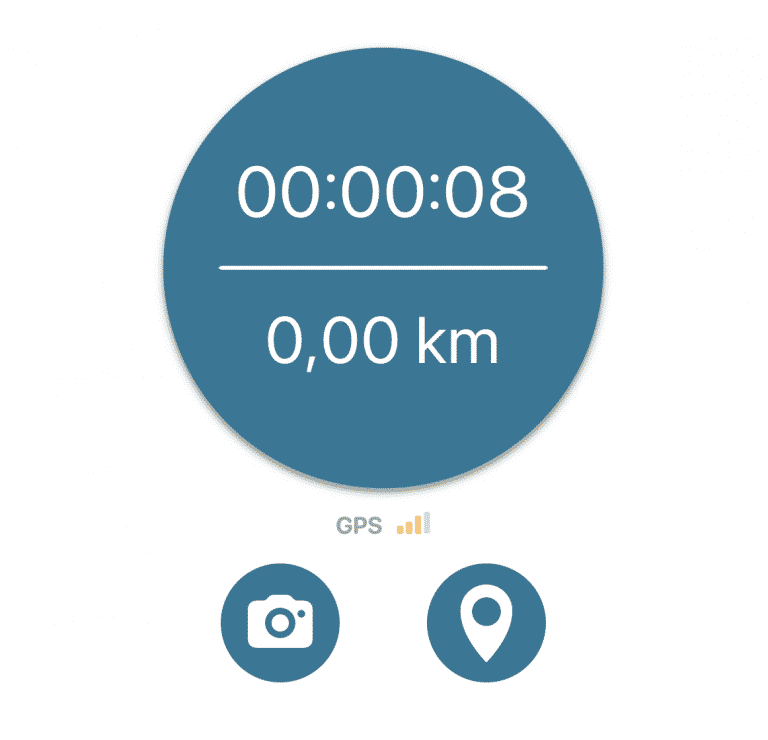
Paddle Logger is the only app on this page written specifically for paddle sports. It records distance, duration and route, and its session feature can alert a contact if you do not check in by a set time, which is the closest thing to a float plan a solo paddler can carry.
Strava does the general version of the same job and has the advantage that most people already have it. Record a stand up paddling activity and you get distance, pace and a map, plus a private record of the routes that worked.
Either way, a tracked route is more useful than it sounds. After a season you know which launch works in a south westerly and which one turns into a slog, and that is knowledge no forecast gives you.
Navionics Boating brings marine charts to the phone: depths, channel markers, hazards and no go zones. Paddlers mostly need it for one thing, which is knowing where the shipping and the moorings are before drifting into them.
what3words turns any three metre square on earth into three words. Many emergency services now accept it, and reading three words down a phone is far quicker and less error prone than reading coordinates while sitting on a board in a swell.
US Coast Guard Mobile handles the formal side: filing a float plan, checking safety requirements, reporting hazards and requesting assistance. It is worth having installed even if you never open it, and the wider National Weather Service safety guidance is worth reading once before the season starts.
How to use a phone on a paddle board
Waterproof it properly: a pouch that floats is worth more than one that merely seals, because the pouch that sinks takes the phone with it. Our phone pouch comparison covers the ones rated to depth rather than to splashes.
Keep it on your body: a phone in a deck bag goes with the board when you fall off and the board blows away. A pouch on a lanyard around your neck or in a waterproof waist pack stays with the person who needs it.
Download before you launch: charts, tide tables and offline maps need signal to load and there is rarely any where it matters. Open every app once in the car park while you still have bars.
Watch the battery: GPS tracking plus a cold day halves the runtime you expected, and a dead phone is a phone that cannot call for help. Start above eighty percent or leave the tracking off.
Do not navigate by phone alone: apps tell you what the water is doing, not what you can handle. Tell somebody where you are going and when you will be back, wear a buoyancy aid and use a leash, and treat the phone as the backup rather than the plan.
Frequently asked questions
What is the best app for paddle boarding?
Windy, for the simple reason that wind decides whether a paddle is pleasant, hard work or dangerous. If you paddle on the coast, add a tide app, and if you paddle alone, add Paddle Logger for its check in alerts.Is there an app that tracks stand up paddling?
Paddle Logger is built for it and records distance, duration and route with paddle specific session handling. Strava also has a stand up paddling activity type and works well if you already use it for other sports.How much wind is too much for a paddle board?
Around 10 to 12 knots is where an inflatable board starts to feel like hard work, and 15 knots offshore is where a return trip becomes genuinely difficult. Look at forecast gusts rather than average wind speed, and treat any offshore direction with far more caution than the same speed blowing onshore.Do I need mobile signal for these apps?
For forecasts and charts, yes, at the point you load them, which is why you should open everything before leaving the car. Tide predictions and downloaded charts work offline afterwards, and GPS tracking works without any signal at all because it uses satellites rather than the network.Bottom line
Two apps cover almost everything: Windy for what the wind is going to do, and a tide app if you paddle anywhere the sea reaches. Install both, check them the evening before rather than in the car park, and most bad days on the water never happen.
If you paddle alone, add Paddle Logger for its check in alerts and what3words so that a rescue service can find you in seconds rather than minutes. Then put the phone in a floating pouch on your body and forget about it.


