

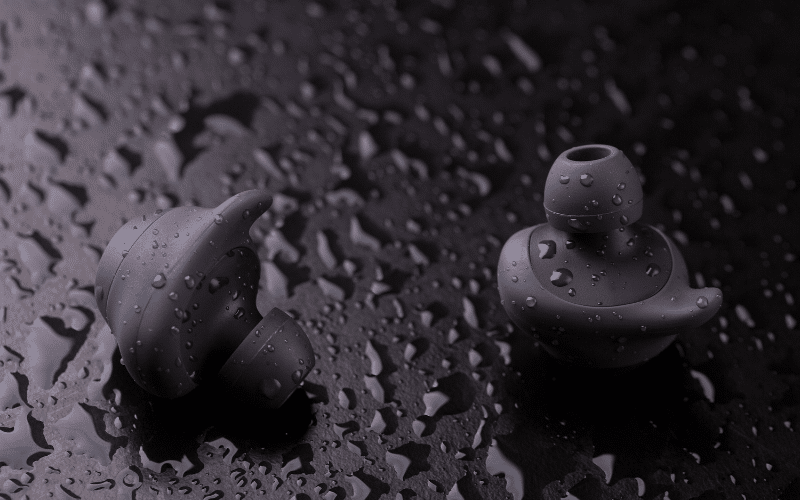
Paddling and music go together, right up until the moment a wave puts your earbuds in the lake.
Two things matter more than sound quality here. The waterproof rating has to be real, and you have to be able to hear a boat coming.
That second point is why bone conduction dominates this list. It sits on your cheekbone and leaves your ear canal open, which is both safer and more comfortable over a long paddle.
We compared nine, from a twenty dollar pair of earbuds to a 170 dollar swim player rated to two metres of submersion.


The best waterproof headphones for paddling at a glance
| Model | Rating | Type | Standout feature |
|---|---|---|---|
| SHOKZ OpenSwim ProTop pick | IP68 | Bone conduction | 32GB storage plus Bluetooth in one unit |
| H2O Audio TRI 2Best premium | Waterproof | Bone conduction | Dual mode for swim, run and ride |
| H2O Audio Sonar 2 PROBest for swimming | IPX8 | Bone conduction | 8GB player and a removable goggle clip |
| JBL Endurance PaceBest open-ear | IP68 | Open-ear neckband | Titanium memory wire and 10 hours of music |
| SHOKZ OpenMoveBest on-board value | Sweatproof | Bone conduction | Titanium frame at 80 dollars |
| BeatH2O S36Best in-ear swim | IPX8 | In-ear with hooks | 8GB MP3 mode that works underwater |
| JBL Endurance Race 2Best true wireless | IP68 | True wireless earbuds | Twistlock wings and 48 hours total |
| SANOTO Swimming HeadphonesDeepest rated | IPX8 | In-ear bone conduction | 10 m submersion for over 2 hours |
| TOZO T10Best value | IPX8 | True wireless earbuds | 55 hours total playtime at 20 dollars |
The nine picks in detail
- RatingIP68, triple-sealed, 2 m for 2 hours
- ModesBluetooth streaming and internal MP3
- Storage32GB, around 8,000 songs
- Battery9 hours, 10 minute quick charge for 3 hours
- Designopen-ear bone conduction
- Fitslim, works under a swim cap
- AppShokz app for mode switching
Best for: Anyone who paddles year round and swims as well
The reason this wins is the MP3 mode. Bluetooth does not travel through water, so any streaming headphone stops working the moment you go under.
Loading music onto the device also means the phone stays in a dry bag rather than in a pocket where it will get wet.
Combine it with a proper dry bag for the phone and you have a setup that survives a full capsize.
Strengths
- Both modes in one unit, so it works with or without a phone
- IP68 with a stated 2 m for 2 hours, not a vague claim
- Nine hours covers any day on the water
- Leaves your ears open, which is the safety argument
Weaknesses
- One hundred and seventy dollars
- Bone conduction bass is thinner than in-ear buds
H2O Audio TRI 2 Multisport Waterproof Bone Conduction Open Ear Headphones
Best premium- Bluetooth5.3
- Modesdual, memory playback and live streaming
- Batteryaround 8.5 hours
- Designopen-ear bone conduction
- Controlsredesigned button placement for wet hands
- Sportsswimming, running and cycling
- WarrantyGo Beyond Promise, up to 1 year of protection
Best for: One pair for paddling, running and the pool
Controls are the underrated part of a water headphone. Touch controls do not work when wet, and small buttons do not work with cold fingers.
H2O Audio is a swim company first, which shows in the sealing and in the willingness to replace units that fail.
If your paddling is one of several sports, this is the pair that does not need a second purchase.
Strengths
- Genuinely multisport, so it is not a single purpose purchase
- Buttons designed to be found with cold wet hands
- The Go Beyond product protection is unusually generous
- Dual mode, so no phone needed on the water
Weaknesses
- One hundred and fifty dollars
- Eight and a half hours is less than the Shokz
H2O Audio Sonar 2 PRO Waterproof Bone Conduction Headphones for Swimming
Best for swimming- RatingIPX8
- Storage8GB, around 2,000 songs or 130 hours
- FormatsMP3 and iTunes m4a
- Size40 percent smaller and thinner than the previous model
- Fitfits under a swim cap, removable goggle clip
- Controlslarge raised buttons for wet hands or gloves
- Bluetooth5.3, 30 ft on land, 4 in underwater
Best for: Paddlers who also swim, or who fall in a lot
The Bluetooth range figure in the specification is worth reading twice. Four inches underwater is the physics, and every brand faces it.
That is why the onboard player is the feature that matters, and why anything streaming-only is a poor choice for the water.
Cold water paddling in gloves is where the raised buttons pay for themselves. A drysuit and gloves make touch controls useless.
Strengths
- The goggle clip is the detail swimmers actually need
- Large raised buttons, usable with gloves in cold water
- Forty percent smaller, so it does not catch on a cap
- Honest about Bluetooth range underwater, which is 4 inches
Weaknesses
- One hundred and fifty dollars
- 8GB, a quarter of what the Shokz offers

- RatingIP68 water and dust proof
- Designopen-ear with a titanium memory wire neckband
- Driver18 x 11 mm sensitive driver
- TechnologyJBL OpenSound, ear canal stays open
- Mics2 beamforming
- Batteryup to 10 hours of music
- Resistssweat, rain, salt water and sand
Best for: Coastal paddling where salt water is the enemy
Salt is what kills headphones, not water. Salt crystals form in the ports as they dry and grind at the membrane.
JBL naming salt water and sand in the rating rather than just quoting IP68 is the reason this is the coastal pick.
Accept that there is no MP3 mode. This is for keeping a phone paired in a pocket, not for swimming.
Strengths
- IP68 including salt water and sand, which JBL states explicitly
- An 18 mm driver, so it sounds better than most bone conduction
- Ten hours of playback
- A memory wire neckband that keeps its shape
Weaknesses
- Ninety dollars and no onboard storage
- Open-ear speakers leak sound to people nearby
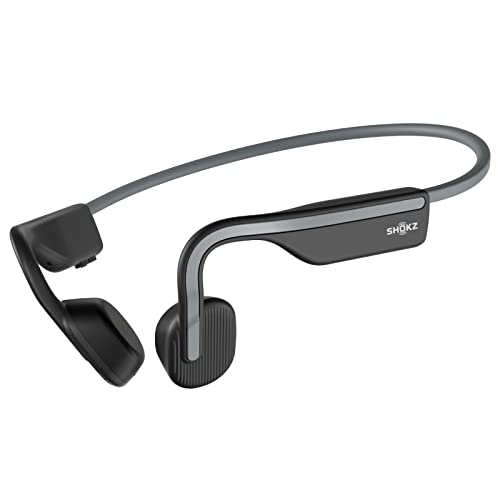
- Designopen-ear bone conduction
- Framewraparound titanium
- Battery6 hours of music and calls
- Protectionsweatproof, designed for low impact activity
- Compatibilityuniversal Bluetooth pairing
- Weightlightweight, no ear fatigue
- Pricearound 80 dollars
Best for: Staying dry on the board and wanting to hear everything around you
This is the honest budget entry, with one condition attached. It is rated for sweat and rain, not for going under.
On a stable board in flat conditions that is usually enough, and it is a far better sounding pair than anything else near the price.
If you fall in regularly, spend the extra on one of the IP68 models. This one will not forgive a swim.
Strengths
- Shokz sound and fit at half the price of the swim models
- A titanium frame that survives being stuffed in a bag
- Six hours covers most sessions
- The open-ear safety argument at an accessible price
Weaknesses
- Sweatproof, not submersible, so a capsize will kill it
- No onboard storage
BeatH2O S36 IPX8 Waterproof Earbuds for Swimming, Bluetooth and MP3 Player
Best in-ear swim- RatingIPX8
- ModesMP3 and Bluetooth, MP3 only underwater
- Storage8GB built in
- Fitstretchable ear hooks that rotate 30 degrees
- Typein-ear, sealed
- FormatsMP3, WMA, APE and FLAC
- Usepool laps, open water and training
Best for: People who want proper bass rather than bone conduction
Bone conduction trades bass for awareness. If you paddle alone on empty water, that trade is less obviously worth making.
The seller is unusually straight about the limits, including that Bluetooth cannot pass through water in any product.
Do not use sealed earbuds on busy water. Hearing an approaching motorboat is not optional near a channel.
Strengths
- Sealed in-ear means real low end, which bone conduction cannot do
- Rotating ear hooks fit a wider range of heads
- Supports FLAC, which almost nothing at this price does
- Sixty dollars
Weaknesses
- Sealed in-ear blocks the sound of boats and other paddlers
- Bluetooth is unusable underwater, as the seller states

- RatingIP68, fully dust and waterproof
- Fitergonomic wing enhancer with Twistlock technology
- Battery12 hours in the buds, 48 hours with the case
- Charging10 minutes for a fast top up
- Mics4 for call clarity
- FeaturesActive Noise Cancelling with Smart Ambient
- Notedry the buds and case before charging
Best for: Paddlers who want normal earbuds that survive the water
True wireless is the format people already own, and the IP68 rating means one fall does not mean a new pair.
Read the seller warning about drying the buds before they go in the case. That is where these fail, not on the water.
Use Smart Ambient rather than noise cancelling when you are paddling. Sealing yourself off from the water is a bad habit.
Strengths
- IP68 on a true wireless design, which is still uncommon
- Twistlock wings, so they stay put through a fall
- Forty eight hours total, so charging is rarely a thought
- Smart Ambient lets outside sound back in when you want it
Weaknesses
- The case is not waterproof, only the buds
- Noise cancelling on open water is the wrong instinct
SANOTO Swimming Headphones, In-Ear Bone Conduction, Bluetooth 5.4, IPX8
Deepest rated- RatingIPX8, submersible to 10 m for over 2 hours
- Bluetooth5.4
- Storage8GB built in MP3
- Design360 degree closed sound cavity with vibration transfer
- Hooksskin-friendly silicone
- Battery12 hours in MP3 mode, 8 hours on Bluetooth
- Useswimming and water sports
Best for: Deep water use where a two metre rating is not enough
Depth ratings matter less for paddling than for diving, but a higher rating usually means better sealing at the seams that actually leak.
The hybrid design is unusual, transferring sound by vibration into a closed cavity, which sits between the two categories here.
Twelve hours in MP3 mode is the practical headline. That is a full day on the water without a phone.
Strengths
- Ten metres for over two hours, the strongest claim on this list
- Twelve hours in MP3 mode
- Bluetooth 5.4, the newest standard here
- Fifty four dollars for a dual mode player
Weaknesses
- A hybrid design, so it is neither fully open nor fully sealed
- Ten metre claims from small brands deserve caution
- RatingIPX8
- Driver8 mm dynamic with OrigX 2.0 tuning
- Battery15 hours in the buds, 55 hours with the case
- Chargingwireless charging case
- AppTOZO app with 32 EQ modes
- Fitmultiple ear tip sizes
- Pricearound 20 dollars
Best for: A first pair, or a pair you can afford to lose overboard
The strongest argument for cheap earbuds on the water is that things get lost, and a twenty dollar loss is survivable.
IPX8 at this price is real but the case is not sealed, so treat the case as a dry-storage item.
Keep them for calm flat water and solo paddling. On any water with traffic, choose an open-ear model from further up this list. A phone kept dry in a deck bag stays in range for the whole session.
Strengths
- Twenty dollars, so losing one over the side is annoying rather than expensive
- IPX8 rated, which is more than most budget buds claim
- Fifty five hours of total playtime
- An app with real EQ control at this price
Weaknesses
- Sealed in-ear, so you hear nothing around you
- No onboard storage, so a phone must stay in range
How to choose waterproof headphones for paddling
Read the rating properly: IPX7 means thirty minutes in one metre. IPX8 and IP68 mean the manufacturer states a deeper or longer figure, which is why the good listings quote metres and hours. Sweatproof ratings such as IP55 are not water ratings at all, and the difference is the IP code second digit.
Bluetooth does not work underwater: This is physics, not a product flaw. If you expect to go under, or you want to leave the phone in a dry bag, you need a model with onboard storage. Streaming-only headphones are for staying dry on the board.
Keep your ears open on shared water: Bone conduction transmits through the cheekbone and leaves the ear canal open, so you hear engines, whistles and other paddlers. On any water with boat traffic that is the responsible choice, and it is also more comfortable over hours.
Check the fit against a hat or hood: A neckband that works bare-headed can be unusable under a neoprene hood or a swim cap. The slimmer swim-oriented models are designed to sit flat for exactly this reason.
Assume the case is not waterproof: On true wireless models the rating covers the buds only. Charging cases fail wet, and putting damp buds into a case is the most common way these products die.
Frequently asked questions
Can I stream music from my phone while paddling?
On the board, yes, if the phone stays within range and dry. Under water, no. Bluetooth reaches only a few inches through water, so anything you might swim with needs music stored on the headphones themselves.Does salt water damage waterproof headphones?
It does over time, because salt crystallises in the ports as they dry. Rinse them under fresh water after every sea session and let them dry fully before charging. That single habit roughly doubles their working life.Is bone conduction loud enough on windy water?
It is quieter than sealed earbuds, and wind noise does compete with it. On a blustery day you will turn it up. The trade is deliberate, because the same openness that lets wind in also lets you hear a boat.What happens if I drop them in the lake?
They sink. None of these float, which is why a bright colour and a secure fit matter more than the rating for a paddler. A neckband model is far harder to lose than separate earbuds.Bottom line
The OpenSwim Pro is the pick because it solves the one problem every other approach ignores, which is that Bluetooth stops at the surface. With 32GB on the device and an IP68 seal, the phone can stay in a dry bag where it belongs.
If you swim and run as well as paddle, the H2O Audio TRI 2 is the pair that covers all three, and if you just want music on calm water without spending much, the twenty dollar TOZO T10 is rated better than its price suggests.


